
Just because the weather cools and the Christmas decorations are put up doesn’t mean your job as a landlord is over. In fact, understanding how to do winter preparations for your property is one of the finest time (and money) investments you can make. Even the most secure of houses may be wreaked havoc by the elements, so following these winter maintenance guidelines will help you avoid costly winter damage.
What are the specific steps you should take to maintain your property during winter? Is there a method to safeguard your property while simultaneously enhancing its curb appeal in the winter? How can you use your winter home upgrades to capitalise on existing winter curb appeal and marketing trends?
Examining your attic for problem areas (which takes only a few minutes), insulating exposed pipes with foam, trimming trees and bushes (to prevent them from breaking when coated in ice), and sealing road cracks are just a few of the things to focus on.
When it comes to preparing your home for winter and protecting the most important components of your investment portfolio, there are nine crucial areas to consider.
Here are some steps of Winter Preparations
Check the heaters
This might be the cheapest thing on the list, but it could also be the most vital. To avoid a much-larger price in the road, you should invest in routine maintenance for your heater, including a filter replacement.
Don’t forget to check the water heater while you’re at it. Many local utility providers will come out to your rental property and inspect it for free to check if there are any leaks that might render it uninhabitable.
Clean the Gutters for winter preparations
Water may cause significant damage to an investment property, and blocked gutters collect water on the exterior of a home. Remember that it’s not only rain that can cause difficulties; melting snow can also cause serious problems in your gutter system.
Prune Trees and Shrubs
Ice is very heavy when it hangs from trees and plants. This might cause your passive income property’s flora to sag — or perhaps break — resulting in costly damage if it falls onto your land.
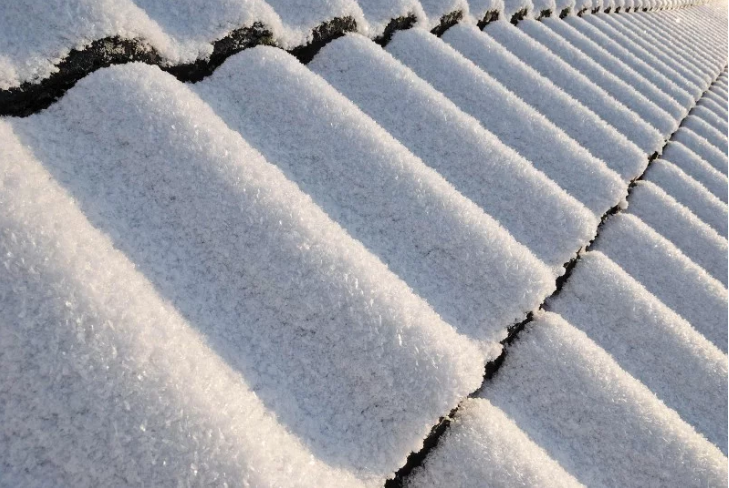
Inspect the Roof for winter preparations
Winter is a challenging season to repair a roof, whether it’s changing shingles or dealing with other roof-related difficulties, as any roofing professional can tell you. Carve out some time before your roof gets blanketed in snow to make sure it’s ready for a winter wonderland.
Seal Driveway Cracks
Another example of water’s damaging impact on your real estate investment. With a little water going into the breach and then freezing as the temps drop, that little fissure in your driveway may double — even treble in size. Invest in a concrete sealer and generously apply it to any places that need a little TLC to avoid the same fate for your driveways and walks.
Give your insulation a once over
Don’t worry; this isn’t going to take you hours and hours to complete, nor will it need you to don your Hazmat suit. You just want to go into your attic, flashlight in hand, and have a look around.
Is there any sign of water damage? Are there any drippings? Is there a pest problem? Or are they outdoors critters yearning for a warm spot to live? (You don’t want squatters living in your rental!)
Prepare your sprinklers
Many landlords overlook this aspect while renting out their properties. Come spring, this might result in a faulty sprinkler or, even worse, a broken pipe, causing major water damage underground.
If you have a sprinkler system and the temperatures are expected to decrease drastically, make sure you remove all water from the system so that additional surplus liquid does not cause havoc.
Mind the Gap
No, we’re not talking about the renowned London Underground transit system motto. We’re talking about keeping an eye on the gaps and flaws in the outside of your property.
The loss of warmth is one of the main reasons for doing so. Gaps in locations such as doors, pipes, vents, and windows may significantly increase heating costs and make a home dangerously chilly.
Another incentive to check over your property and search for holes is the chance of rats and mice moving in and taking up residence, depending on your locality. If the gaps are larger a simple once-over will not suffice.
Insulate Pipes
In the winter, when liquid freezes, pipes are particularly prone to bursting. Look for any un-insulated pipes on your property and wrap them in foam sleeves to prevent them from bursting when the cold weather arrives.