
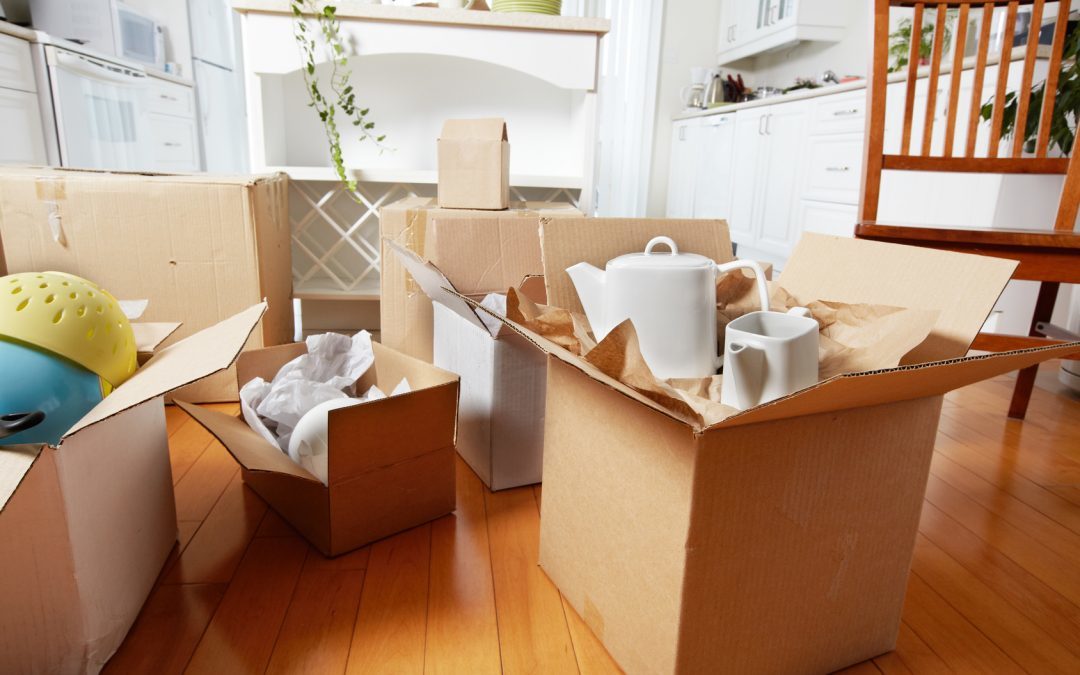
Are the towels still missing? Who was responsible for putting the cat food together? You’ll need a strategy when you’re surrounded by boxes. So you’ve arrived in your new house, surrounded by boxes, exhausted and relieved that your move is nearly over. However, you must unpack your possessions and make your new house seem like home in order to finish your moving trip. However, where do you start?
First Things First (Before you Unpack in New home)
No matter how eager you are to get it over with, there are three steps you must do before you can begin unpacking.
- Cleaning and preparing your new house is a must. It’s simpler to clean windows, wash down shelves, and sweep floors before your items arrive. When your belongings arrive, make sure your future house is immaculate. If you won’t be able to reach to your new location in time to complete a thorough cleaning, consider hiring professional cleaners.
- Examine and arrange your possessions. Verify that none of the delivered boxes or home items are damaged or missing by comparing them to your inventory list. Then have each of your belongings taken to its proper location. Sorting your stuff will be a breeze if everything was clearly marked and labeled.
- Major furniture and appliances should be in place. Large furniture pieces and hefty home equipment should be placed first. Then you may immediately arrange any smaller goods you unpack later in their proper locations. Plan ahead of time for your interior design so you don’t have to move heavy items around many times.
Tackle the necessities in your New Home
When unpacking your belongings after a move, the most important thing to remember is to make sure that your basics are easily accessible. As a result, prioritize your stuff and unpack only what you really need initially.
Bedding
You might not be able to unpack the full bedroom straight quickly, but you’ll surely need the bed on the first day. Reassemble the bed frame (if required), lay down the sheets, unpack the pillows, and spread the blankets so you can have a nice night’s sleep.
The rest of your bedroom goods may wait until you have the time and energy to deal with them, as long as you have a change of clothes and some comfy indoor shoes (as well as drapes on the windows to protect your privacy).
Bathroom Items
Personal care products, toiletries, and medications should undoubtedly be at the top of your list of goods to unpack following your relocation. Place toilet paper and soap on the counter, locate your toothbrush and toothpaste, hang towels and shower curtains, and unpack any other bathroom supplies you’ll need to wash away the exhaustion and stress of moving.
Kitchen Necessities
Due to the vast amount of objects that must be sifted and meticulously placed, kitchens require a long time to unpack and organize effectively.
Move on to your smaller cookware once you’ve connected the major equipment, such as the refrigerator and stove. The first items to go into cupboards and kitchen cabinets should be plates, cutlery, and glasses, followed by cooking tools, pots and pans, and pantry goods.
Kids’ and Pet’s Items
If you have small children, spend the first several hours in your new home unpacking some of their favorite toys, books, games, and blankets. Keeping your children happy and engaged can allow you to focus on your task and complete it more quickly.
Of course, you should attend to your dogs’ requirements as soon as possible once they arrive. In your open-first package, include plenty of pet food and some of your animal pals’ favorite toys.
Finishing up in the New Home
Everything else can wait until you’ve unpacked the three most important rooms in your house (bedroom, bathroom, and kitchen). Because there are no deadlines to meet, you may unpack and decorate your new home at your own speed – simply unpack in order of importance without delaying.
Your new surroundings will quickly stop looking like a warehouse full of boxes and start feeling like home if you keep organized, establish reasonable objectives, clean after each unpacking process, and dispose of the packing materials in a safe and environmentally acceptable manner.