
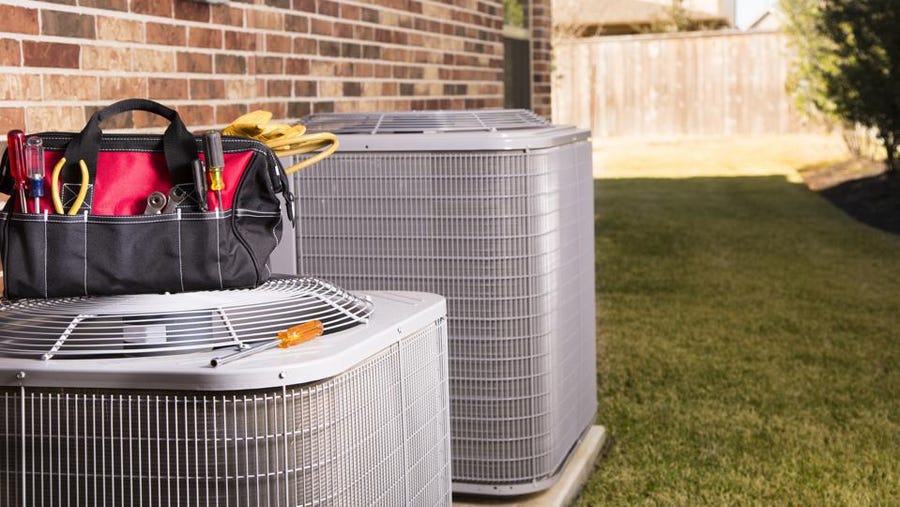
Look no farther than your heating and cooling system for ideas to keep your costs under control. Heating and cooling systems account for more than half of total residential energy use and can cost thousands of dollars to replace. Maintaining the state of your HVAC system is a fantastic way to save money on your monthly energy bills and avoid the costly expenses of repairing or replacing the system, or having to call your HVAC Maintenance provider.
Read on for HVAC maintenance tips to help keep your home more comfortable and your budget in the black.
Schedule Preventive and Professional HVAC Maintenance
Consider arranging two seasonal HVAC tuneups each year, one for the air conditioning and one for the heating. HVAC installation providers and professionals will completely service, examine, and troubleshoot the system during regular maintenance inspections to keep it running properly and prevent breakdowns. The HVAC technician will do the following:
- Check the thermostat calibration and settings
- Tighten electrical connections as needed
- Lubricate all moving parts
- Inspect the condensate drain and clean as needed
- Check the system controls
- Clean and adjust the blower components
- Clean the evaporator and condenser coils
- Check the refrigerant charge
- Check fuel line connections
- Inspect the gas pressure, burner combustion and heat exchanger
Change the Filters for HVAC Maintenance
Filters trap dust, hair, and other particles in the air, preventing them from spreading throughout the house. By changing the HVAC filter every 30 days, you may enhance the air quality within your house while also conserving electricity. More air passes through clean filters, allowing the system to heat and cool more efficiently. Filters with a MERV rating of seven to thirteen provide a great blend of filtering ability and maximum airflow for most systems.
Perform Visual inspection of the HVAC System
When changing the filter, inspect the system once a month for any potential issues. Examine the thermostat, the inner unit, the outside unit, the registers, and the returns. In addition, you should look into the following:
- Check the battery status on the thermostat
- Inspect the condensate system to ensure that it is draining properly
- Ensure that the filter access and cabinet door are securely closed
- Make sure the flue system is securely attached and fully intact
- Ensure that all registers and returns are unblocked and open
- Check all registers for signs of mold
- Make sure the outdoor unit is level. Use rot proof shims to level it if necessary
Eliminate Clutter Around indoor clutter unit
The air quality and safety of your indoor HVAC unit are improved by keeping the space around it clear. The more items you have lying about, the more surface area there is for dust to accumulate and finally enter the vent system. Clutter also inhibits air circulation in the nearby region, which is detrimental to the effectiveness of the system. Clutter may also be a fire danger and a trip hazard, as well as making repairs and upkeep more difficult.
Keep the Outside Unit Clean and Clear for HVAC Maintenance
Fallen leaves, twigs, grass clippings, and other debris may readily accumulate around the outdoor HVAC unit. Remove any debris from the unit and the area surrounding it every time you conduct yard work, and spray it down if dirt starts to gather. To assist maintain optimal airflow, keep adjacent plants cut back at least two feet from all sides of the unit.
Regulate your Home Temprature
Maintaining your HVAC system entails keeping it at a suitable temperature and not using it as much when you are away from home or sleeping. Install a programmable thermostat to change the temperature automatically at different times of the day. When you leave the house chilly in the winter and warm in the summer, the system will run less frequently, consume less electricity, and last longer.
Change the Batteries in your thermostat
Hardwired thermostats are those that are permanently connected to the home’s electrical system. Others are powered by batteries. To avoid difficulties, replace batteries at least once a year.
Maintain the Carbon Monoxide detector
In houses with combustion-based heating systems, such as natural gas or fuel oil, a carbon monoxide detector is a must-have safety equipment. The alert might save your life in the case of an exhaust leak, faulty ventilation, excessive gas flow, or other problem.
The typical operating life of these gadgets is roughly seven years. Monthly, check the carbon monoxide detector for proper operation and, if required, replace it. It’s a good idea to replace the batteries every six months.
Monitor Energy Bills
If you see a sudden or progressive rise in energy use while your usage remains constant, it might indicate a problem with your HVAC system. Make an appointment with your favourite heating and conditioning firm to have the system inspected. Filters that are dirty, duct leaks, low refrigerant, deteriorating components, and other problems might be the blame.
Consider Total Replacement
An HVAC system’s typical lifespan is between 15 and 25 years. The type of system, the brand, and the regularity of maintenance are all factors that might affect the schedule. You can extend the life of your heating and cooling system and keep it running at a greater efficiency by properly maintaining it.
Energy efficiency continues to decline with time, and repairs become increasingly regular. If you discover that your old system isn’t as reliable as it once was, don’t wait for it to fail on the hottest day of the year, the coldest night of the year, or while you’re on vacation. Prepare ahead of time and replace your HVAC system when the time comes.