
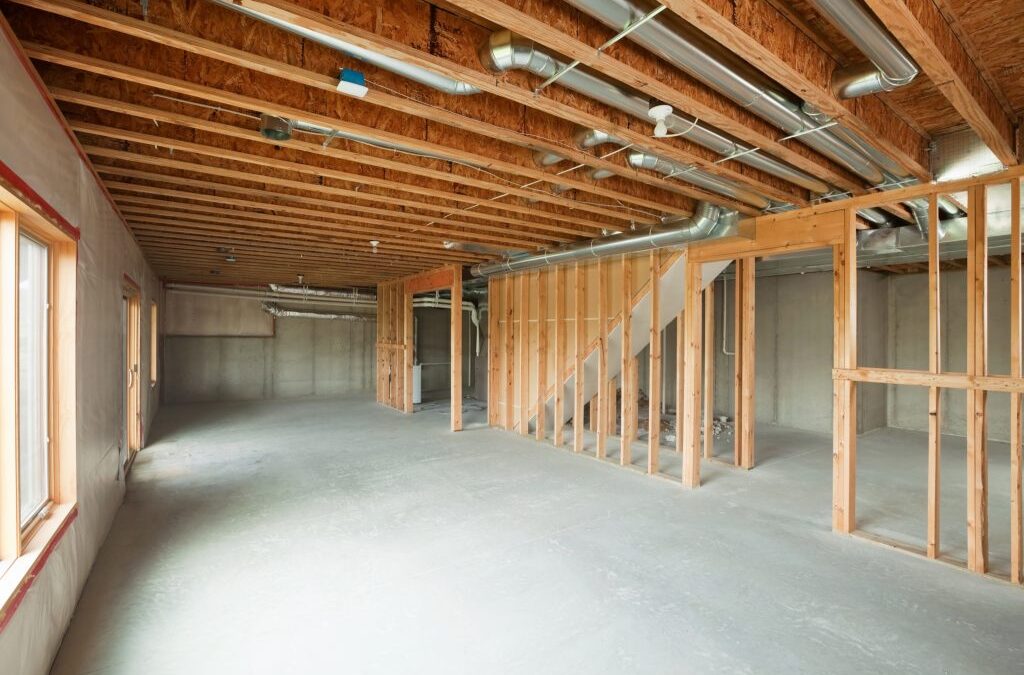
Many homeowners who are thinking of selling their home in the near future ask if investing the time and money to complete the basement is a value-adding addition. The majority of the time, the answer is yes, but that does not necessarily indicate that finishing a basement is the greatest use of your home renovation funds.
Finished basements are less valuable than main-floor living areas and above-grade bedrooms in terms of a home’s worth (“above-grade” refers to a room that is placed higher than ground level; it does not always mean in a basement). Although the cost may be significantly higher, a main-floor extension will probably be more value than a finished basement.
Should I finish my basement?
Whether you should complete your basement depends on your lifestyle, the housing market where you live, and your remodeling objectives. Let’s say you enjoy watching movies and don’t have any immediate plans to sell. You should consider investing in a basement home theatre. The average return on investment is 70%, and when you include in the number of years you’ll get to enjoy the basement theatre before selling, the 30% you don’t make up for may seem like a bargain.
Types of Finished Basements
The three main categories of finished basements are as follows. Depending on the current structure of your property and the amount of money you have to spend, you can select between different types of basement renovations.
Walk-out Basements
Due to the abundance of natural light, walk-out basements are typically the most appealing to purchasers. They have a full-size door (sometimes a slider) that opens to an outdoor area, such as a patio or backyard. Due to the land having at least a 6-foot slope from front to rear, this type of basement is more like the ground level, which also allows for larger windows and more natural light, two features that appeal to buyers.
The main floor of a house with a walk-out basement will be elevated from the back and at street level in the front, frequently with a porch or deck. Keep in mind that the MLS may classify walk-out basements as above-grade in some cities when determining the price per square foot (more on that later).
Standard Lot Basement
When you visualise a classic basement, you might picture something like this. A typical lot’s basement is underground, has concrete walls, and only a few small window wells near the ceiling for natural light. There may be a few stairs to descend from the main floor into the backyard because a typical basement raises the main level a few feet above ground. A typical lot basement is less appealing to buyers at resale because it lacks natural light.
Garden–level lot basement
A garden-level lot basement, which is a compromise between a regular lot basement and a walk-out basement because of a somewhat sloping property, is partially above ground and partially below ground. It’s possible for a basement on a garden-level lot to have both large and tiny window wells, but a door leading to the backyard is unlikely.
Finished Basement Return on Investment
It’s crucial to keep in mind that, like with any significant improvement, completing a basement may not yield a complete return on your investment. It is typically advisable to build it for your own enjoyment before recovering part of the costs later on when you decide to sell.
Nevertheless, some purchasers make it a point to look for houses with completed basements. And if your house is one of only a handful with a completed, usable basement, it may truly stand out among other for-sale homes in a competitive buyers market.
How appraisers evaluate finished basement
f selling is on your mind, you’re probably thinking about finishing your basement for resale and marketing purposes, not for personal enjoyment. In that case, understanding how home basements are appraised will give you a better understanding of how it will impact your home’s overall value.
First, to understand how appraisers calculate value when it comes to basements, you’ll need to know three key terms:
- Above-grade: Above-grade refers to a room or living area that is not in the basement. It’s located above ground level.
- Below-grade: Below-grade refers to rooms or living areas in the basement, or below ground level.
- Gross living area: The gross living area is the total area of finished, above-grade residential space. It is measured using the perimeter of the house and only includes completed, habitable and above-grade living space, so note that your finished basement will typically not be included in this figure.
Appraisers may start with a rough gauge of the price per square foot of your house, and how much of your home is above-grade versus below-grade can make a difference. Below-grade living space is worth about half that of above-grade living space. So, if the price per square foot in your area is $150, your basement price per square foot would be $75. Appraisers may also calculate the price per square foot for the entire home, then divide it by the gross living area.
Another thing appraisers do is run comps, using similar homes in your area that have sold recently to identify the correct value of your home. When appraising a home with a basement, skilled appraisers will only compare homes that have similar amounts of above-grade living area. For example, if your home has 1,500 square feet of above-grade area and 500 square feet of basement space, an appraiser wouldn’t compare it to a home with 2,000 feet of above-grade living area. So, if you’re doing your own research on comparables, make sure to keep this in mind to avoid overpricing your home.
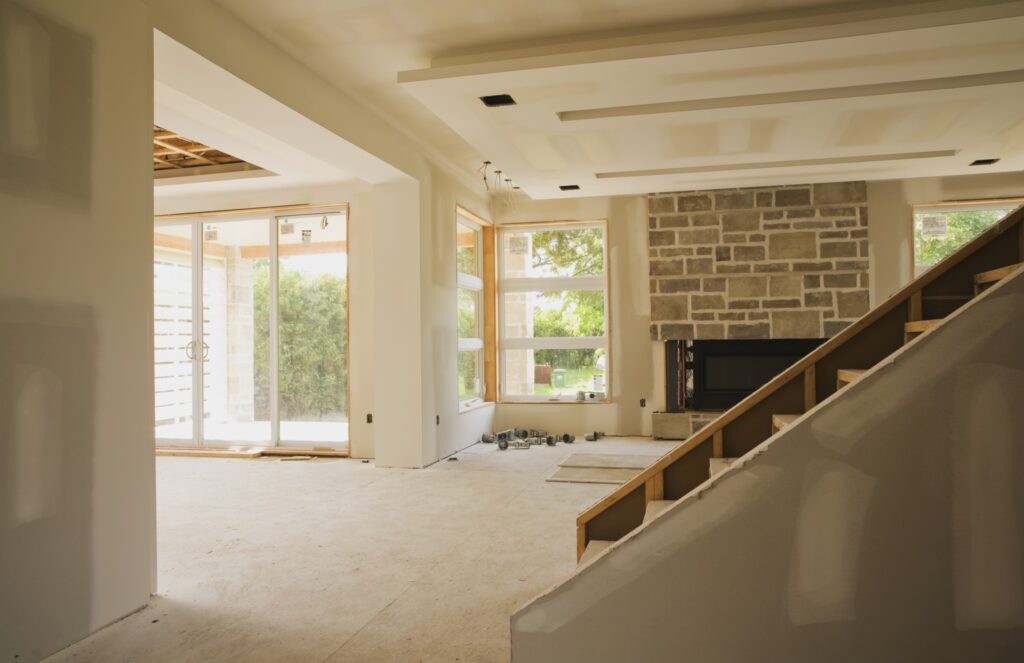
Tips for finishing a basement to add home value
Completing an unfinished basement isn’t as simple as just adding some drywall and flooring. You’ll also want to check local laws and permit requirements. Another consideration when planning a remodel is to weigh the type of layout you want to create with the potential of the available space. Professional tips like maximizing lighting and selecting moisture-proof materials can help during the planning phase as well.
1. Check the local laws
You’ll probably need a permit to finish your basement, and checking with your local jurisdiction about the cost of permits and what it takes to get your project approved should always be your first step.
Homeowners are sometimes tempted to skip the permit process, since it’s another cost, and the work isn’t easily seen from the street, so you’re less likely to be caught. But if you do get caught, you may have to pay a hefty fine. It’s important to note that reputable contractors will refuse to work without a permit, and if you want the job done right — and safely — you won’t want to use an under-the-table contractor.
Additionally, renovations without permits can be a big red flag for buyers during a home inspection or disclosure process, sometimes causing them to want to renegotiate or even walk away from the deal.
2. Choose a function
If you’re finishing a basement for your own use, you’ll want to add the rooms that make the most sense for your lifestyle — maybe you need a guest bedroom, a bigger laundry room or a playroom for your kids. But if you’re finishing a basement for resale purposes, you’ll want to consider what sells best in your market.
It’s important to remember that the style, look and quality of the finishes in your basement should match the rest of your home. For example, if you have a high-end home, you should have a high-end basement.
3. Select your layout
Generally speaking, buyers are looking for open floor plans. One challenge people face when finishing basements is working around load-bearing walls and systems like the water heater, electrical box and furnace, which are often housed there. Before you get too far into your planning, talk to your contractor about what’s feasible in your specific space.
It’s also noteworthy that 60 percent of buyers in the last year said it was extremely important that a home included a spare or guest bedroom, so if your home doesn’t have an above-grade guest bedroom, that might be a smart addition.
4. Check your ceiling height
Standard building code calls for at least 7-foot ceilings (always check with your local city official’s office). But in a basement with limited light, the higher the ceilings, the better. Pipes and ductwork are two of the key reasons basements end up with low ceilings, so have a conversation with your contractor about what can be done to maximize ceiling height.
5. Prioritize light
If you are able to create a walk-out basement, you’ll add a lot more natural light, which will not only make the space more enjoyable for you but also make the basement more attractive to buyers.
But even if you’re only able to finish your standard lot basement, you’ll still want to focus on light. Compensate for the lack of natural light by adding as much lighting as possible. Recessed lighting can be a great way to create all-over brightness in a basement, without causing low-ceiling clearance issues.
6. Choose the right basement flooring
When finishing the basement floor, pay extra attention to flooring materials. In most cases, you won’t be able to install hardwood floors in basements because of moisture issues that can cause warping and gapping.
Good options are high-quality carpet or carpet tiles (both of which can combat the cold feeling commonly found in basements), or quality vinyl if you live in a warmer climate and keeping cozy is less of a concern.